

Guest post from RoomPriceGenie, a WebRezPro partner
At a Glance
Busy periods bring maximum revenue potential but stretch independent hotels to their limits. This practical hotel peak-season preparation guide outlines five critical areas—pricing, team readiness, technology, guest experience, and performance tracking—that independent hoteliers must optimize now to ensure a profitable, smooth summer.
Peak season is on the horizon and for independent hoteliers, that means full houses, stretched staff, back-to-back turnovers, and guests with high expectations. Peak season is the moment you’ve been preparing for all year. It’s also the moment when things are most likely to go sideways if you haven’t laid the groundwork.
The good news? A little preparation goes a long way. Here’s a practical survival guide to help you head into your busiest months with confidence — and come out the other side with happy guests, a balanced team, and a bottom line to match.
1. Get Your Rates Right Before the Rush Hits
This one might seem obvious, but it’s the most commonly overlooked part of peak season prep and the most costly to get wrong. Many independent hoteliers set their summer rates in the spring and leave them alone. The problem is that demand doesn’t stand still. An event gets announced nearby. A competitor sells out early. A travel trend shifts. Any of these can mean the difference between leaving money on the table and having your best revenue month ever.
Implementing dynamic summer pricing strategies ensures you capture maximum revenue when demand peaks.
What is Dynamic Pricing for Hotels?
Dynamic pricing is a real-time hotel revenue management strategy where room rates fluctuate based on market demand, competitor inventory, booking pace, and local supply signals, rather than remaining static.
Action Items for Peak-Season Pricing:
- Increase review frequency: Review your rates more often during peak season, not just once at the start.
- Monitor booking pace: If rooms are filling up faster than usual, that’s a signal to nudge rates up. Don’t just copy last year’s rates. Look at what’s happening this summer: local events, competitor availability, and how far out people are booking.
- Establish financial guardrails: Set rate floors so you never accidentally undersell your rooms even during a last-minute booking rush.
Dynamic pricing tools can automate a lot of this by analysing demand signals in real time and suggesting rate adjustments — freeing you up to focus on running your property rather than staring at spreadsheets. But even without a dedicated tool, building a habit of regular rate reviews during peak season will pay off.

2. Prepare Your Team (Before They’re Overwhelmed)
Your staff are your biggest asset in peak season — and the first thing to break down when things get hectic. A crucial element of your hotel peak-season preparation is equipping your team now, not during a sold-out weekend in July.
Action Items for Staff Preparation:
- Brief your whole team on what to expect: This includes projected occupancy, any big events or groups coming in, and any operational changes for the season.
- Document common processes: Define standard operating procedures (SOPs) for check-ins, breakfast routines, and housekeeping schedules so new or seasonal staff can get up to speed quickly without relying on a single experienced person.
- Create a clear escalation path for guest complaints: Who handles a noise complaint at 11pm? Who approves a refund? Your team should know without having to ask.
- Think about your scheduling now: Are you fully staffed for your peak weeks? Is there flexibility if someone calls out on a busy Saturday?
A little team alignment before the season starts can prevent the miscommunications and burnout that lead to poor guest reviews and staff turnover.
3. Audit Your Hotel Systems and Tech Stack
Peak season is not the time to discover that your booking engine has a glitch, your channel manager is out of sync, or your property management system isn’t playing nicely with a new integration. These things surface fast when volume is high and fixing them under pressure is ten times harder.
Action Items for Your Hotel Technology Audit:
- Perform a test booking journey: Do a full walkthrough of the guest booking experience. Book a test reservation on your own website. Does everything work smoothly? Is availability accurate?
- Verify integration syncing: Check that your PMS, channel manager, and any third-party tools (payment, messaging, housekeeping) are all in sync. Inventory discrepancies and double bookings are peak-season nightmares.
- Establish tech downtime protocols: Make sure your team knows how to handle tech issues in the moment. Who do they call and what is the backup process if a system goes down.
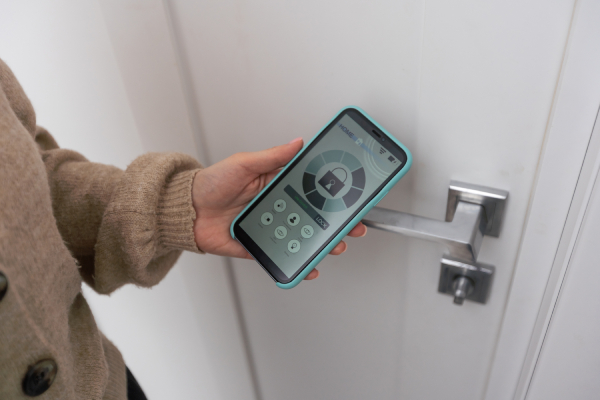
- Test your check-in process: Review the check-in experience end to end, especially if you offer self check-in or mobile keys. Guests arriving tired after a long journey have very little patience for tech that doesn’t work.
It’s also worth reaching out to your software providers ahead of the season if you have any outstanding issues or questions. Support queues get longer in summer so better to resolve things now.
4. Think About the Peak Season Guest Experience in Advance
During peak season, you’re likely running at close to full capacity with a leaner staff-to-guest ratio than usual. That’s when the small things that delight guests (or frustrate them!) matter most.
Action Items for Enhancing Guest Satisfaction:
- Automate pre-arrival communications: Set clear expectations before guests arrive. A pre-arrival email with check-in instructions, parking info, local recommendations, and any relevant policies goes a long way toward reducing front desk questions and complaints.
- Mitigate known pain points: Identify your most common guest pain points such as slow check-in, noisy rooms, unclear breakfast timings, and solve for them proactively, not reactively.
- Train staff to upsell: Is your team ready for some easy upselling opportunities like room upgrades, late check-out, and local experiences? These are simple ways that add revenue and enhance the guest experience at the same time.
- Prepare a local guide or digital welcome pack: In peak season, guests often want to make the most of the area and appreciate being pointed in the right direction. It saves your staff from answering the same questions fifty times a day.
The hotels that get the best reviews during busy periods aren’t necessarily the ones with the most resources, they’re the ones that thought ahead.
5. Build In Time to Monitor Performance Metrics (KPIs)
When you’re in the thick of peak season, it’s easy to go heads-down and just get through each day. But the properties that come out of summer in the best shape are the ones that keep an eye on what is happening and adjust as they go.
Essential Peak Season KPIs to Monitor:
- Occupancy Rate: The percentage of available rooms occupied during a specific timeframe.
- Average Daily Rate (ADR): The average revenue earned per paid occupied room.
- Revenue Per Available Room (RevPAR): A core metric calculated by multiplying ADR by occupancy rate (or dividing total room revenue by total available rooms) to measure a hotel’s ability to fill its rooms at an optimal average rate.
Action Items for Performance Monitoring:
- Establish a weekly analytics routine: Do a quick weekly check-in on key metrics: occupancy, average daily rate (ADR), revenue per available room (RevPAR), and any guest feedback coming through reviews or direct comments.
- Monitor trends: Compare your performance week-over-week and against the same period last year. Are you trending in the right direction? Where are the gaps?
- Course-correct immediately: If something isn’t working like rates are too low, a process breaking down, a team member struggling, catch it early rather than at the end of the season when it’s too late to course correct.
- Take notes: Maintain a simple document for taking notes throughout the season: what went well, what didn’t, what you’d do differently. Your future self will be grateful when you’re planning next year’s peak season.
Peak season moves fast. Building in even a small amount of reflection time each week keeps you in control rather than just reacting.
The Bottom Line: Transitioning from Survival to Success
Peak season doesn’t have to mean chaos. With the right prep—smart pricing, a well-briefed team, solid systems, a guest-first mindset, and a habit of checking in on your numbers—it can be your most rewarding time of year, both operationally and financially.
The hoteliers who thrive in summer are the ones who treat peak season less like a sprint to survive and more like an opportunity to show what their property is really capable of.
Start your hotel peak season preparation now. Your July self will thank you.
Key Takeaways
- Dynamic pricing is essential: Static rates leave money on the table; modern independent hotel revenue management requires monitoring local demand signals and adjusting rates frequently.
- Proactive team alignment supports service: Document processes and establish escalation paths before seasonal burnout sets in.
- Tech stack audits prevent disasters: Test your guest booking journey and PMS integrations before high-volume strains occur.
- Pre-arrival communication offloads staff: Address common guest FAQs via automated emails to free up front desk resources.
- Monitor performance to stay on course: Maintain control by reviewing key metrics frequently throughout the season.
About RoomPriceGenie
RoomPriceGenie is a revenue management system built for independent hotels, small to mid-size properties, and hotel groups. It integrates seamlessly with WebRezPro Property Management System to help hoteliers price smarter without manual work. Learn more at roompricegenie.com.
